
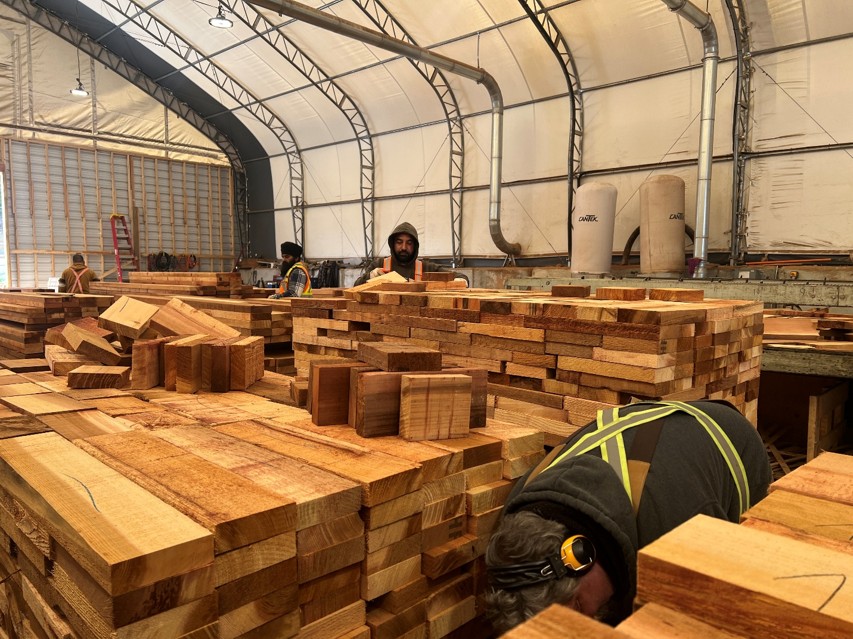
BC Timber Sales (BCTS) is working on new ways to help forests stay healthy by exploring the use of commercial thinning. Commercial thinning is the removal of some trees in densely stocked stands to improve the growth conditions of the remaining trees. By reducing competition, the residual trees have increased access to light, moisture and nutrients, which can enhance their vigour and long-term value. BCTS has a unique role in supporting commercial thinning because it both manages forest tenures and markets timber. This dual role allows BCTS to help develop and demonstrate markets for smaller-diameter timber by including it in timber sale opportunities. By establishing market benchmarks and improving utilization, BCTS helps supports broader implementation of commercial thinning by industry.
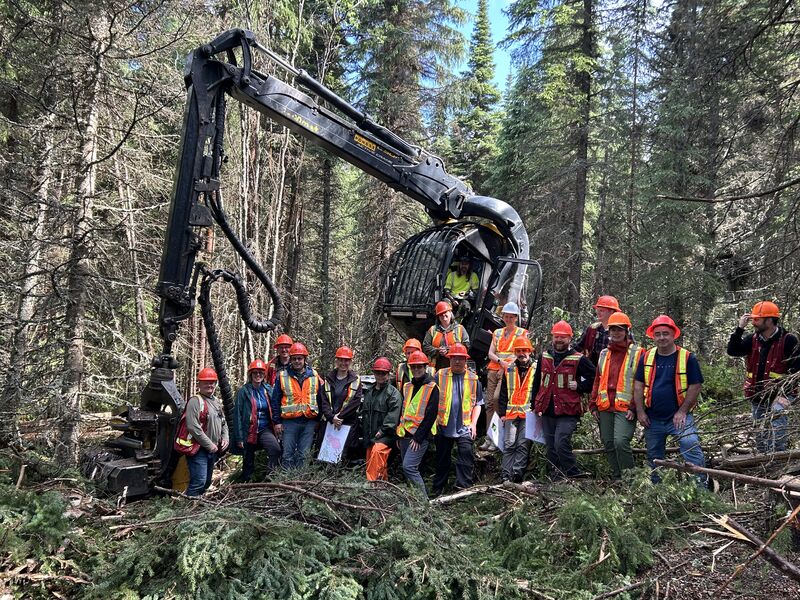
BC Timber Sales (BCTS) is working on new ways to help forests stay healthy by exploring the use of commercial thinning. Commercial thinning is the removal of some trees in densely stocked stands to improve the growth conditions of the remaining trees. By reducing competition, the residual trees have increased access to light, moisture and nutrients, which can enhance their vigour and long-term value. BCTS has a unique role in supporting commercial thinning because it both manages forest tenures and markets timber. This dual role allows BCTS to help develop and demonstrate markets for smaller-diameter timber by including it in timber sale opportunities. By establishing market benchmarks and improving utilization, BCTS helps supports broader implementation of commercial thinning by industry.
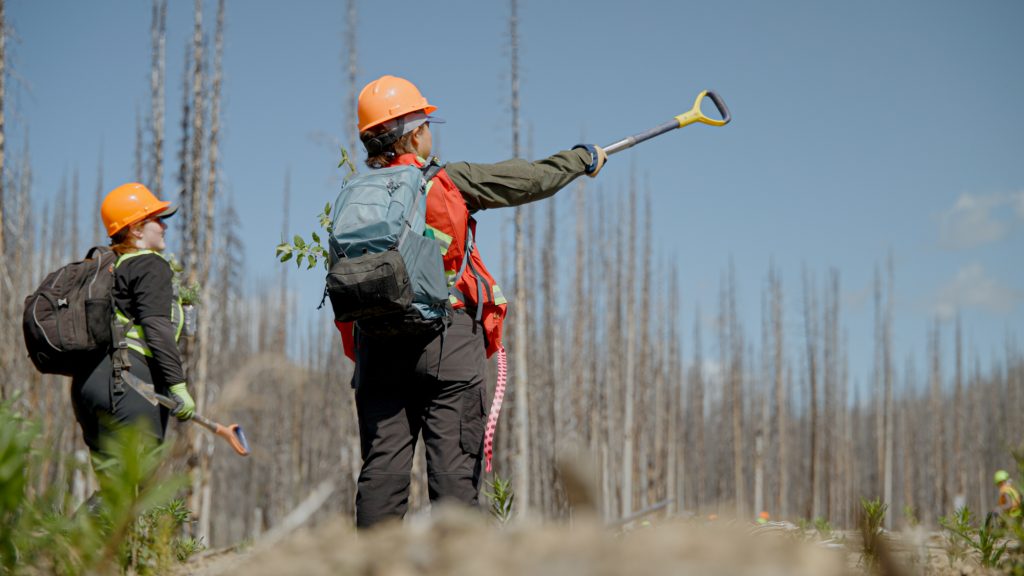
Over the past year, BC Timber Sales (BCTS) has heard clearly from First Nations, communities and forest sector partners throughout British Columbia: strong relationships, clarity and flexibility are essential to meaningful collaboration.
Through engagement during the BCTS Review, many First Nations and partners shared that while there are opportunities to work collaboratively with BCTS, it has not always been easy to understand what partnership options exist, how they are used or where to start conversations. Participants also emphasized the importance of locally driven approaches, respect for Indigenous rights and priorities and partnership models that support both stewardship and community well‑being.
In response to what we heard, BCTS has launched a new partnerships web page to make our partnership approach more transparent, accessible and easier to navigate.
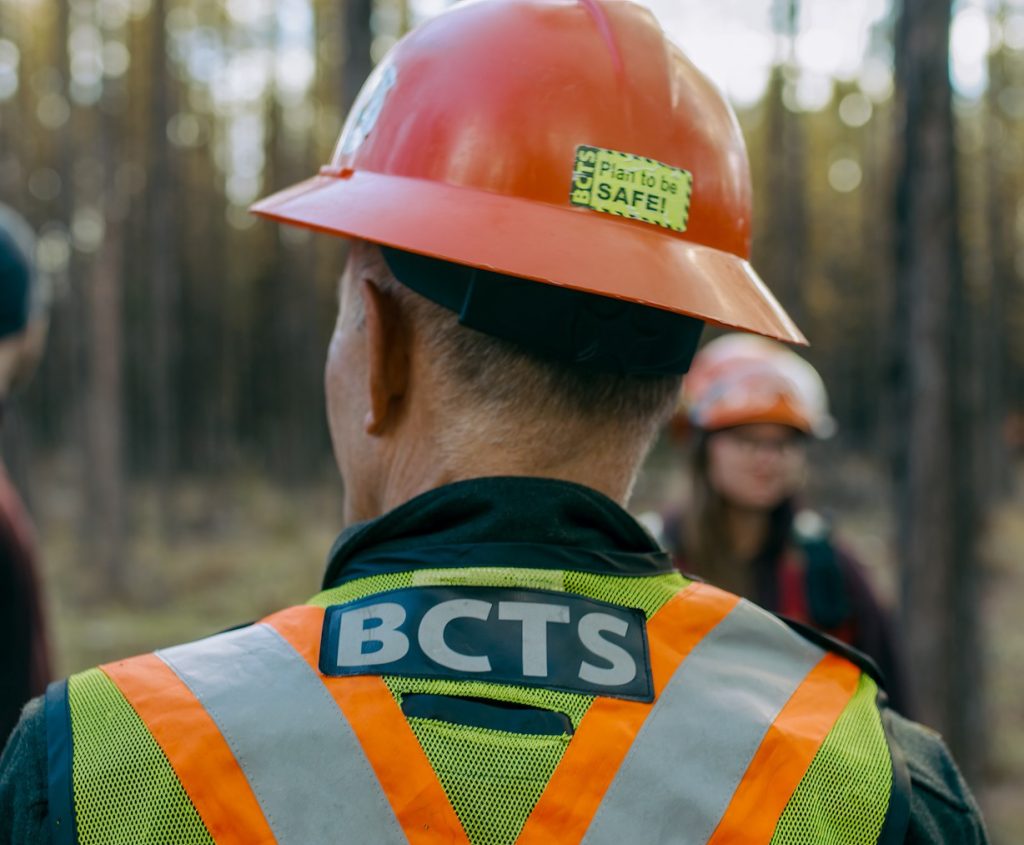
BC Timber Sales (BCTS) is part of the Ministry of Forests and plays an important role in how public forests are managed in British Columbia. BCTS sustainably manages the harvesting and reforestation of 20 per cent of the timber available for harvest on public land. This land is called the timber harvesting land base, which is the subset of the legally harvestable land where it is economical for timber harvesting to occur based on current forest management practices. By sustainably planning this work carefully, BCTS helps make sure wood harvested from public forests, also known as fibre, is available to support jobs, communities and the broader economy across the province.
Operating in 33 communities across the province, BCTS helps sustain economic activity and employment by working with First Nations, contractors and local businesses. These partnerships support a steady flow of fibre to mills and manufacturers, helping keep people working and communities strong.