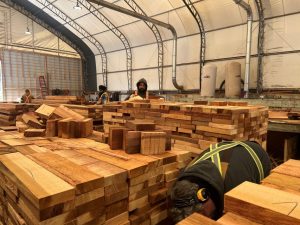
BCTS advances commercial thinning through two Prince George Business Area projects
BC Timber Sales (BCTS) is working on new ways to help forests stay healthy by exploring the use of commercial thinning. Commercial thinning is the removal of some trees in densely stocked stands to improve the growth conditions of the remaining trees. By reducing competition, the residual trees have increased access to light, moisture and nutrients, which can enhance their vigour and long-term value.
BCTS has a unique role in supporting commercial thinning because it both manages forest tenures and markets timber. This dual role allows BCTS to help develop and demonstrate markets for smaller-diameter timber by including it in timber sale opportunities. By establishing market benchmarks and improving utilization, BCTS helps supports broader implementation of commercial thinning by industry.
In the Prince George Business Area, BCTS is exploring this work through two commercial thinning projects: Gregg Creek (TA2914) and West Lake (TA2915). These projects are part of changes and improvements being made after the BCTS Review, showing how BCTS is trying new and innovative approaches on the ground. The projects give BCTS a chance to see how commercial thinning works in real forest conditions, including what is successful and what challenges come up. This adaptive hands-on experience helps BCTS learn what it takes to carry out thinning safely and effectively, while also understanding the costs and the kinds of equipment and planning that are needed.
This work is important because forests in British Columbia are facing growing challenges, including wildfire risk, insects, disease and climate change. Overly dense stands can increase stress on individual trees, reducing their resilience to pests, disease and other environmental pressures. Commercial thinning helps alleviate this stress by reducing stand density and improving growing conditions for the remaining trees. It can also lower the amount of available fuel in a stand, which may help reduce wildfire intensity and support overall forest resilience. Resilient forests are better able to stand up to these pressures over time.
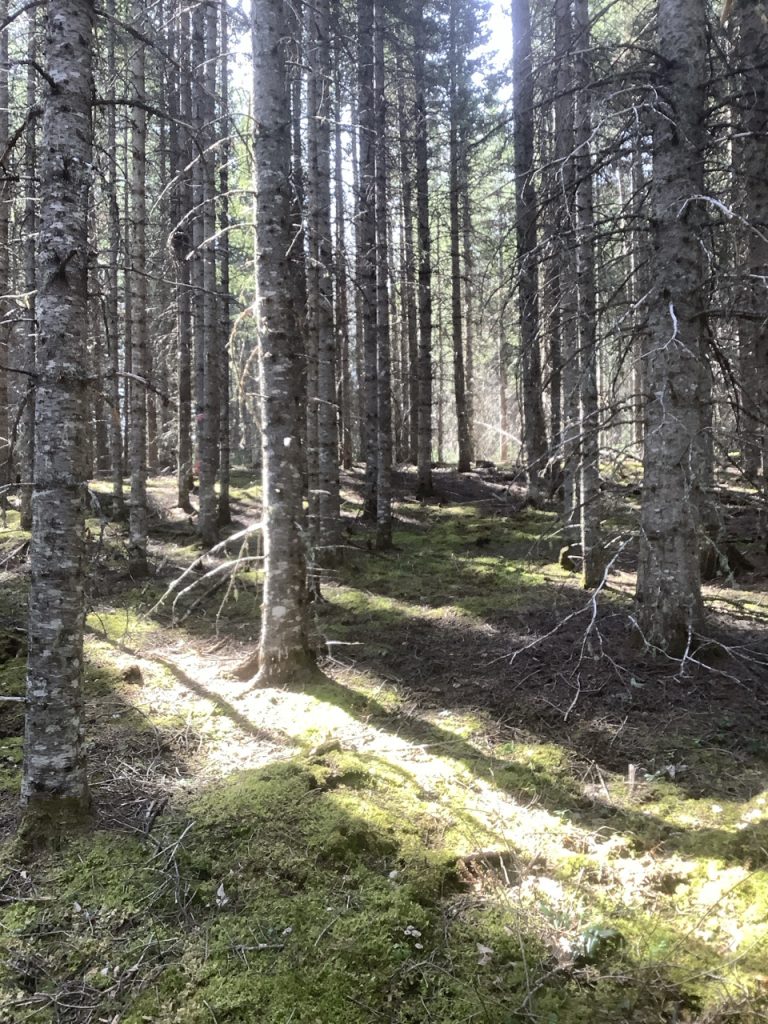
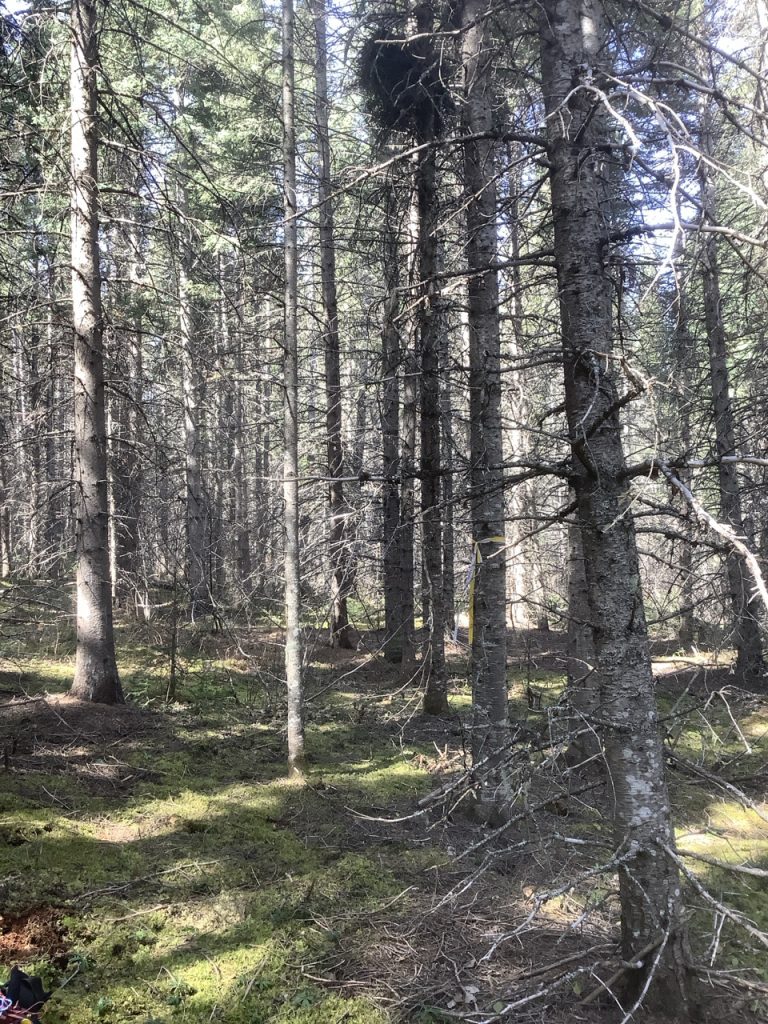
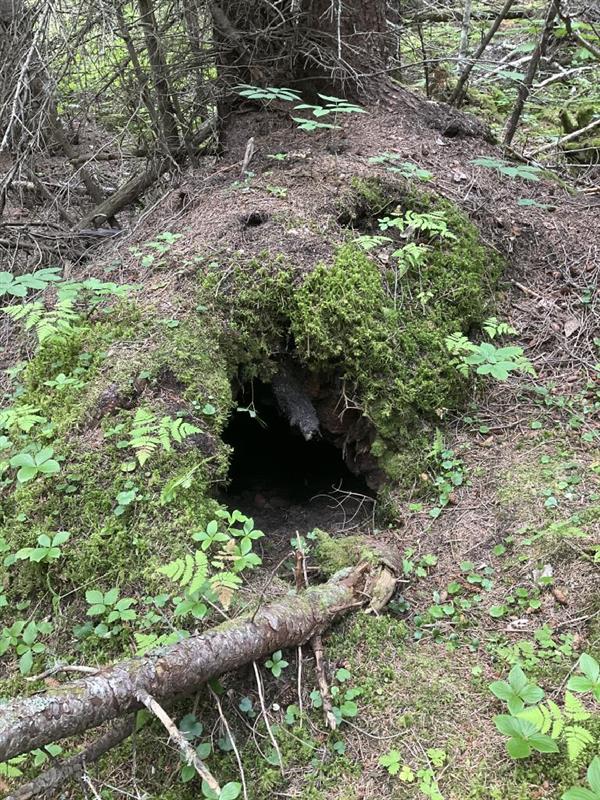
BCTS also works closely with local logging contractors, timber sale licensees and forest professionals on these projects. These partners provide feedback based on their experience in the field, which helps BCTS improve how it plans and offers thinning work in the future. By bringing together forest management goals and real market conditions, BCTS is helping turn the idea of commercial thinning into something that can happen on the ground. Commercial thinning activities are guided by the best available science, professional expertise and the principles outlined in the Thinning Guidance for British Columbia (2025).
The two projects in the Prince George Business Area are an important step forward for forestry in B.C. They show how BCTS can test new ideas, support industry and help build stronger forests at the same time. Through this work, BCTS is helping create opportunities today while supporting healthier, more resilient forests for the future.
To learn more about other initiatives coming out of the BCTS Review, please visit: https://www2.gov.bc.ca/gov/content/industry/forestry/bc-timber-sales/economic-prosperity/bcts-review.
Most Popular
- Partnerships support herbaceous plants and shrubs restoration following Garrison Lakes wildfire from 2021
- BC Timber Sales continues supporting students through summer employment opportunities and career development programs
- BCTS plants 30 million seedlings during 2026 spring planting season, summer planting season well underway
- Expanding our Value-Added Sector: Custom Cutters and Processors