

Contributed by Tine Rossing, Disaster Risk Reduction Analyst at Ministry of Emergency Management and Climate Readiness and Salt Spring Island volunteer Pod coordinator.
Preparing for emergencies is more than gathering supplies. It’s about social connection. A strong sense of trust and belonging before an emergency means people can rely on each other when one occurs.
The 2026 Emergency Preparedness Week theme of “In it together” recognizes that everyone’s readiness and resilience is strengthened when we look out for one another.
On Salt Spring Island, I see this come to life every day. Here, emergency preparedness looks a little different than in a city. Resilience begins not with sirens or command centres, but through neighbours.
The island’s emergency program includes a unique system known as the Pod network. “Pod” is a neighbourhood-based emergency group, essentially a small, organized cluster of households that work together to support one another before, during and after a disaster. These Pods are part of the broader Salt Spring Island Emergency Program, which connects community-level preparedness with formal systems like Emergency Support Services and the Emergency Operations Centre. The idea behind the Pod program is simple but powerful: in a major emergency, whether a storm, wildfire or earthquake, outside help may not arrive right away. Roads may be blocked, power and communications down and emergency responders stretched thin. On Salt Spring Island, residents are encouraged to be ready to rely on and support each other first.
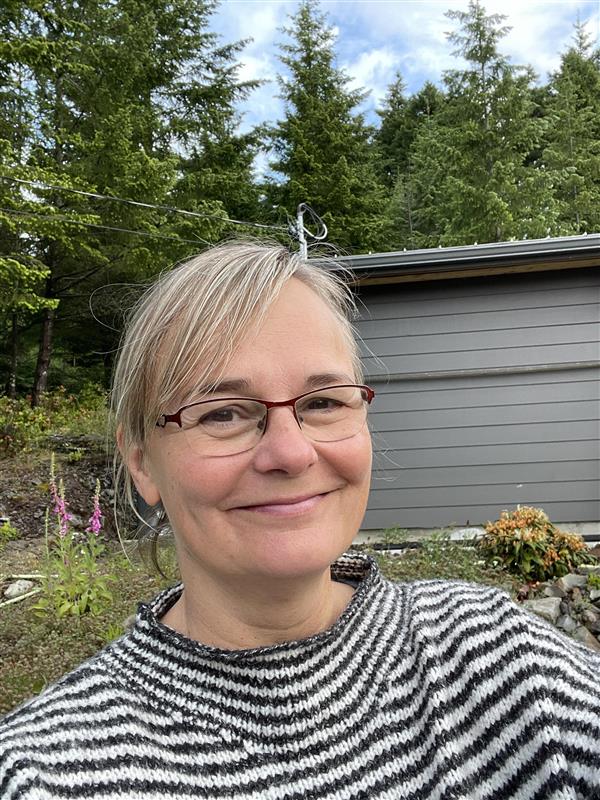
Neighbours helping neighbours
Each Pod is made up of volunteers – neighbours who have agreed to connect, communicate and check in on one another. Across the island, dozens of these Pods form a quiet but extensive network of care. They identify shared meeting points, maintain contact lists and map local skills, such as those who have had medical training, which residents have tools, and who may need extra help. Communication is central: whether through phone trees, radios or simply knocking on doors, Pods ensure information flows even when formal systems fail.
I know this firsthand because I am a Pod coordinator.
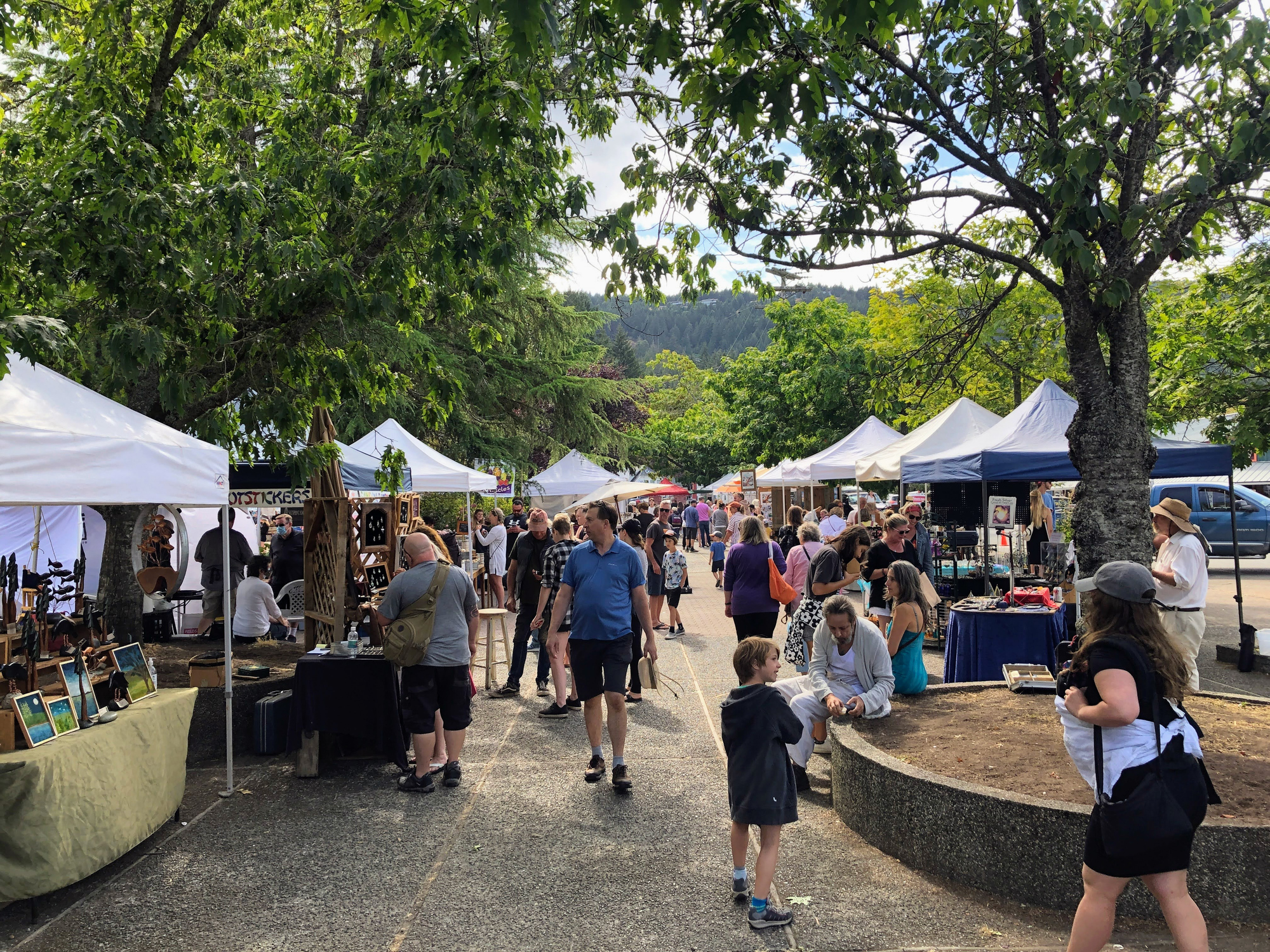
Resilient together
In my role as a volunteer Pod coordinator, I am not “in charge,” but rather someone who helps connect people. Before anything happens, I bring neighbours together, sometimes informally, sometimes through small gatherings (Podlucks), to make sure we know each other and have a basic plan. I help our Pod think through simple but critical questions: Where would we meet if communications go down? Who might need extra support? Who has useful skills or resources we can rely on?
During an emergency, my role shifts into being a communication hub. I help share updates coming from the island’s Emergency Operations Centre, and just as importantly, I relay information back — what our neighbourhood is experiencing, what support might be needed, and who may be vulnerable. I also help ensure no one is overlooked, especially those who may not be able to easily reach out for help themselves.
Shared responsibility builds stronger communities
But I don’t do this alone. The strength of the Pod program is that it’s built on shared responsibility. Everyone has a role to play. My job is simply to help the system work: to keep communication flowing, to encourage preparedness and to help neighbours support one another when it matters most.
In many ways, the Pod program reflects the character of Salt Spring Island itself. It is decentralized, volunteer-driven, and rooted in relationships. It recognizes a fundamental truth of emergency management: that resilience is not just built through plans and policies, but through people who know each other, trust each other, and are ready to act together. On Salt Spring Island, preparedness begins at the doorstep and extends, one Pod at a time, across the whole community.
Learn more
Make your own social connections and get prepared today! Learn more at PreparedBC’s website.
Reach out to your First Nation or local government to see if there’s a neighbourhood initiative you can be part of.
The Pod Program is administered by Emergency Management Salt Spring Island (Capital Regional District). For more information, please contact ssipod@crd.bc.ca.