

When emergencies happen in British Columbia, Indigenous governing bodies and local authorities are there to help. They play a key role in preparing for, responding to and supporting recovery in their communities. They develop emergency plans, conduct preparedness activities and lead local response operations during emergencies like wildfires, floods and severe weather events.
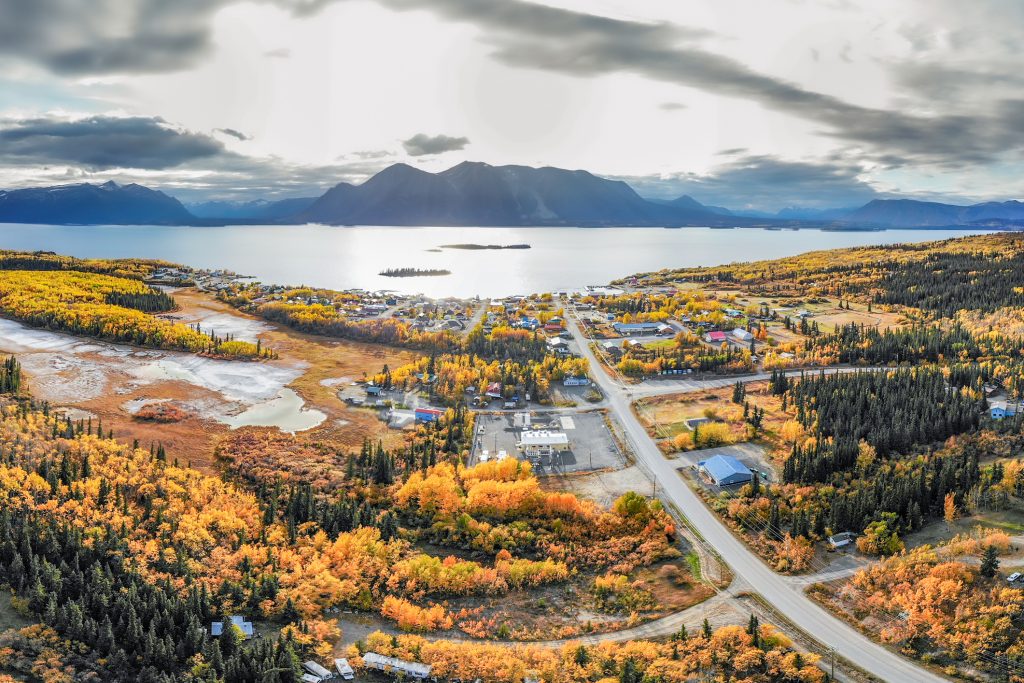
Unlike all other communities in the province, the Stikine Region, located in northwestern B.C. on the traditional territory of Taku River Tlingit, Kaska Dene, Tahltan, Gitxsan and Takla Lake First Nations, is the only area that is not incorporated as part of a regional district or municipality. Most of the 740 residents live in and around Atlin, but there is no local government responsible for emergency management.
Instead, the Ministry of Emergency Management and Climate Readiness (EMCR) works alongside the Taku River Tlingit First Nation (TRTFN), residents and local response partners including:
- BC Emergency Health Service
- RCMP
- Atlin Volunteer Fire Department
- Search and Rescue
- BC Wildfire Service
Atlin’s remote location and limited transportation routes make emergency planning especially important. Working together helps ensure emergency services are coordinated and aligned with local needs. Important considerations include:
- Evacuation decisions
- Public communication
- Transportation planning
- Emergency Support Services (ESS)
Understanding how evacuation decisions are made, how information will be shared and what steps to take if an Evacuation Alert or Order is issued can help residents be better prepared when emergencies occur.
Understanding Evacuation Alerts and Orders
During an emergency like a wildfire, EMCR works closely with response partners to monitor conditions and assess potential risks to the community. For example, if conditions indicate a wildfire may threaten Atlin, BC Wildfire Service may recommend an Evacuation Alert or Evacuation Order. EMCR and TRTFN, in consultation with response partners, assess the situation and determine whether to issue an Alert or Order and provide evacuation instructions to the community.
If evacuation instructions are issued, information is shared as quickly as possible through official channels. This could be through EmergencyInfoBC, BC Emergency Alerts, local radio, community bulletin boards and, when required, door-to-door notifications.
Following evacuation routes
EMCR works with response partners to support transportation planning and other supports that may be necessary during an evacuation. The safest evacuation route will depend on the nature and location of the emergency. No matter where you are in British Columbia, everyone should always follow directions provided by emergency officials and use the route identified in official communications.
Staying informed
EMCR provides timely and accurate information during emergencies. Everyone, including Atlin residents, is encouraged to monitor official information sources like EmergencyInfoBC for evacuation information and updates.
A team effort
By supporting preparedness activities, coordinating with response partners and providing verified emergency information, EMCR helps Atlin residents stay informed, get prepared and be ready to act.
Learn more
Visit our webpage to learn more about how EMCR helps British Columbians mitigate, prepare for, respond to and recover from emergencies.